
The last in Dr Julia Carden and Dr Elizabeth Crosse’s series on shifting to continuing professional and personal development (CPPD).
Part 3: a developmental approach – practical implications for CPPD

Figure 1: The relationship between learning and development
This is the third in a series of articles exploring the idea that delivering quality coaching requires coaches to address their development holistically.
Here, we focus on taking a more informed approach to creating a developmental plan that supports personal and professional development. Our starting point is to consider the difference between learning and development. This sets the scene for taking a strategic approach to learning to ensure the activities we invest in have the most likelihood of fostering our development. We’ll look at how this may work in practice and conclude with a challenge to be brave and creative as you decide how to invest in your development.
The difference between learning and development
There’s little differentiation between learning and development in the coaching literature; the terms are often interchangeable (Hawkins & Smith, 2013). The academic literature offers a clear distinction, recognising that learning is a precursor for development. One way to consider the relationship between learning and development is to think about how a tree grows. The sun, water and soil nutrients are like learning activities that nurture the sapling’s development to becoming a mature tree.
Another perspective is to view learning as building capability and development as building capacity. In a previous article, we likened learning to adding more apps and building capacity as a system upgrade. This leads us to the question: what kind of learning activity is most likely to foster development? According to Mezirow (1985), development results from transformative learning experiences. In acquiring new knowledge and skills, we engage in deep self-examination. The process of critically assessing our beliefs and assumptions leads to new, more integrated and broader perspectives. This heightened awareness enhances our ability to influence and integrate.
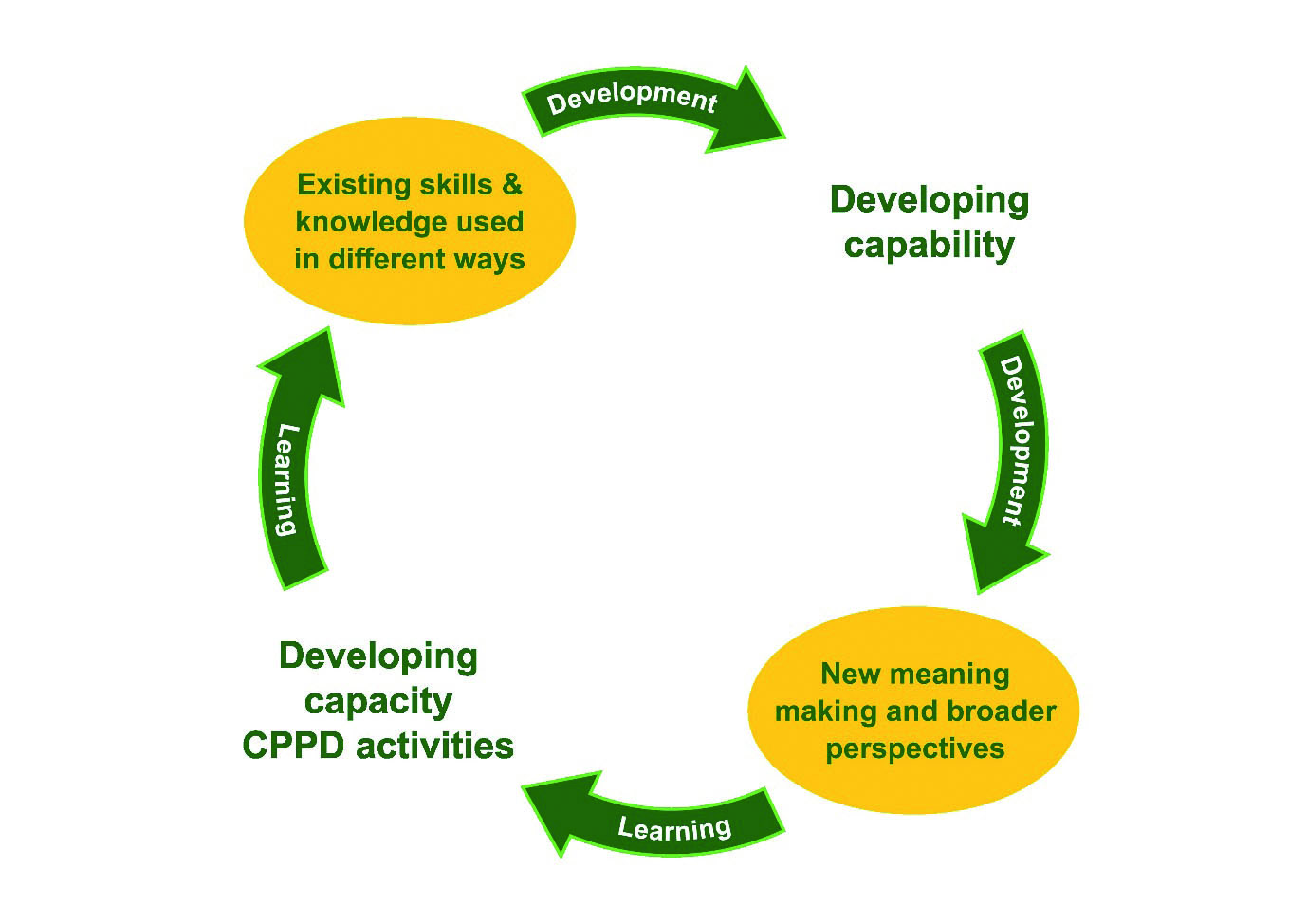
Figure 2: A transformative learning experience (Crosse, 2023)
Figure 2 illustrates this cycle.
An informed approach to developmental planning
We suggest taking an informed approach to developmental planning in two stages. First, step back and consider your developmental strategy. Once you have this clarity, you can take the second step and create an informed developmental plan.
Three questions to shape your developmental strategy
- What’s your coaching purpose?
– How do you want your coaching to make a difference? Is it about directly benefitting the individual client, or are you looking to
have an impact at an organisational social level? You may even be
looking to contribute to the profession.
- What’s your development focus?
–Do your developmental priorities align more with developing professional capability or personal capacity?
– Reflecting on what you did last year, are you building/consolidating or looking for something different?
- What are your personal requirements?
– How do you factor in what needs and considerations you need to give to meet your business learning and practical needs?
– What do you need to do to keep yourself resourced?
Creating your plan
Once you have clarity on your purpose, focus and personal requirements, you can draft your developmental plan. One of the most familiar frameworks for this process is a SMART action plan to meet an achievable goal (Passmore & Sinclair, 2020). This approach considers that learning objectives are Specific, Measurable, Attainable, Relevant, and Time-bound. Our suggestion is to hold SMART lightly, as meaningful CPPD objectives are unlikely to be able to be defined in this way.
The framework in Table 1 provides a way of identifying and regularly reviewing development needs and learning requirements as part of a dynamic, CPPD plan. It invites you to think more critically about identifying and addressing your developmental needs so you have a greater sense of agency, resourcefulness, and independence in developmental planning.
| My Learning Edge: What is my learning objective for CPPD? | |||
| Building Capability
The knowledge, skills and competencies you’re looking to acquire. |
How I will learn | How will I reflect, assess and review | How will I know I have integrated my learning |
| What type of professional development learning activities will you undertake? | How will you monitor and refine progress? | What evidence will you have that you’ve addressed this learning issue?
What’s the evidence that I have developed ‘self’ and am integrating my development into my way of being?
|
|
| Building Capacity
How will I develop my self-awareness and critical thinking ability? |
How I will learn | How will I reflect, assess and review | |
| What learning activities will you undertake for personal development? | How will you monitor and refine my progress? | ||
Table 1: A Framework for Developmental Planning
Vivek: case study
For the past year, Vivek has focused on upgrading his professional credentials. As part of this process, he worked with a mentor coach to prepare for the competency-based skills assessment and attended a three-day workshop on acceptance and commitment coaching (ACC), as he needed an additional 21 hours of coach-specific training to meet the coaching body’s requirement for coach learning.
When considering his developmental strategy feedback, he realised he wanted to better meet the needs of his clients who were dealing with overwhelm and managing imposter syndrome (Purpose). He wanted to be able to apply and integrate an ACC approach into his coaching (Focus). Upgrading his professional credentials required a substantial investment. As a result, he was working with a limited budget, which he wanted to use for supervision (practical requirements). He decided that in the next six months, he wanted to focus on incorporating some of the theoretical concepts from ACC and manage some of his unhelpful behaviours, eg, procrastination and anxiety.
This resulted in the plan shown in Table 2.
| My learning edge | Integrate and apply learning from AAC (June – December) | ||
| Building capability
(knowledge and skills) |
How I will learn | How will I reflect, assess and review | How will I know I have integrated my learning |
| June
Listen to the AC podcast. Review resources on https://positivepsychology.com/act-worksheets/ + other relevant websites. Review my VIA profile July Read 31 Practices: Release the power of your organisation’s values every day. August -September Use my three core values as a guide for prioritising activities August Peer coaching session (ask to record) to gain insight into where I am using ACC |
July Revisit notes from podcast and resources that I downloaded.
Decide what/how I want to incorporate into my coaching August Reflecting on the coaching session, where do I notice I am already using the AAC approach, and what would I like to integrate? August – September End of each day, consider how I am living my values to prioritise my time. End of each week summary reflection: What went well? What were the challenges? What learning will I take forward?
|
Noticing
Coaching practice Feel confident in weaving in appropriate interventions from ACC. Clients note they are feeling less overwhelmed.
My self I procrastinate less I am more able to have difficult conversations with my partner without getting triggered. Being kinder to myself, specifically not cancelling my Friday yoga because a client wants to change an appointment.
|
|
| Building capacity
(Self-awareness and critical thinking) |
How I will learn | How will I reflect, assess and review | |
| June – December Supervision (with the aim of working on acceptance of self as a coach)
Mindfulness practice to support in managing anxiety: · Explore walking meditation · Commit to a minimum of 3 minutes of mindfulness every day with the aim of increasing to 10 minutes every day by December Weekly yoga practice to support “being” |
In my journal, note 1 -10 how I am feeling.
End-of-week review on how I have managed any difficult relationships/ procrastination/ anxiety Monthly review on mindfulness practice and commitment to yoga practice: · What is working well? · What were my challenges? · What learning will I implement next month? |
||
Table 2: Six month developmental plan to incorporate ACC theoretical concept into my coaching approach
Conclusion
Throughout this series, we’ve argued the case of moving from a traditional CPD approach to a more holistic CPPD approach to your development. We acknowledge that this can be challenging when not all the professional coaching bodies accept ‘personal’ development as core hours for re-accreditation, and we hope this will be supported so that there’s change in the future.
In conclusion, we return to the question posed in the first article, as we believe this is the most important question when considering your development: “What does your soul need?”
As you answer this, allow your head, heart, and gut to speak to you so that you can move forward with a more informed approach to developmental planning and your development, embodying CPPD.
- Julia Carden and Elizabeth Crosse will be speaking at Coaching at Work’s annual conference on 14 November, on CPPD: Putting the Personal into our Professional Development.
About the authors
- Dr Julia Carden runs a coaching and coaching supervision practice. She is also a visiting tutor at Henley Business School, teaching on the Coaching Certificate, Professional Certificate in Coaching Supervision and MSc in Coaching for Behavioural Change. Her PhD research focused on the role of self-awareness in the development of the coach. julia@carden-consulting.co.uk
- Dr Elizabeth Crosse, MCC, is an experienced coach, mentor and supervisor. Her thinking on the continuous development of coaches has evolved from more than 30 years in the coaching profession and her doctoral research, which focused on how coaches develop expertise. elizabeth@eacrosse.co.uk
References
- Crosse, E. (2023). A journey to expertise: how executive coaches identify their development needs. DCM thesis. Oxford Brookes University.
- Hawkins, P., & Smith, N. (2013). Coaching, mentoring and organisational consultancy: Supervision, skills and development (2nd ed). Open University Press.
- Mezirow, J. (1991). Transformative dimensions of adult learning. Jossey-Bass.
- Passmore, J., & Sinclair, T. (2020). Becoming a coach. Pavilion Publishing